



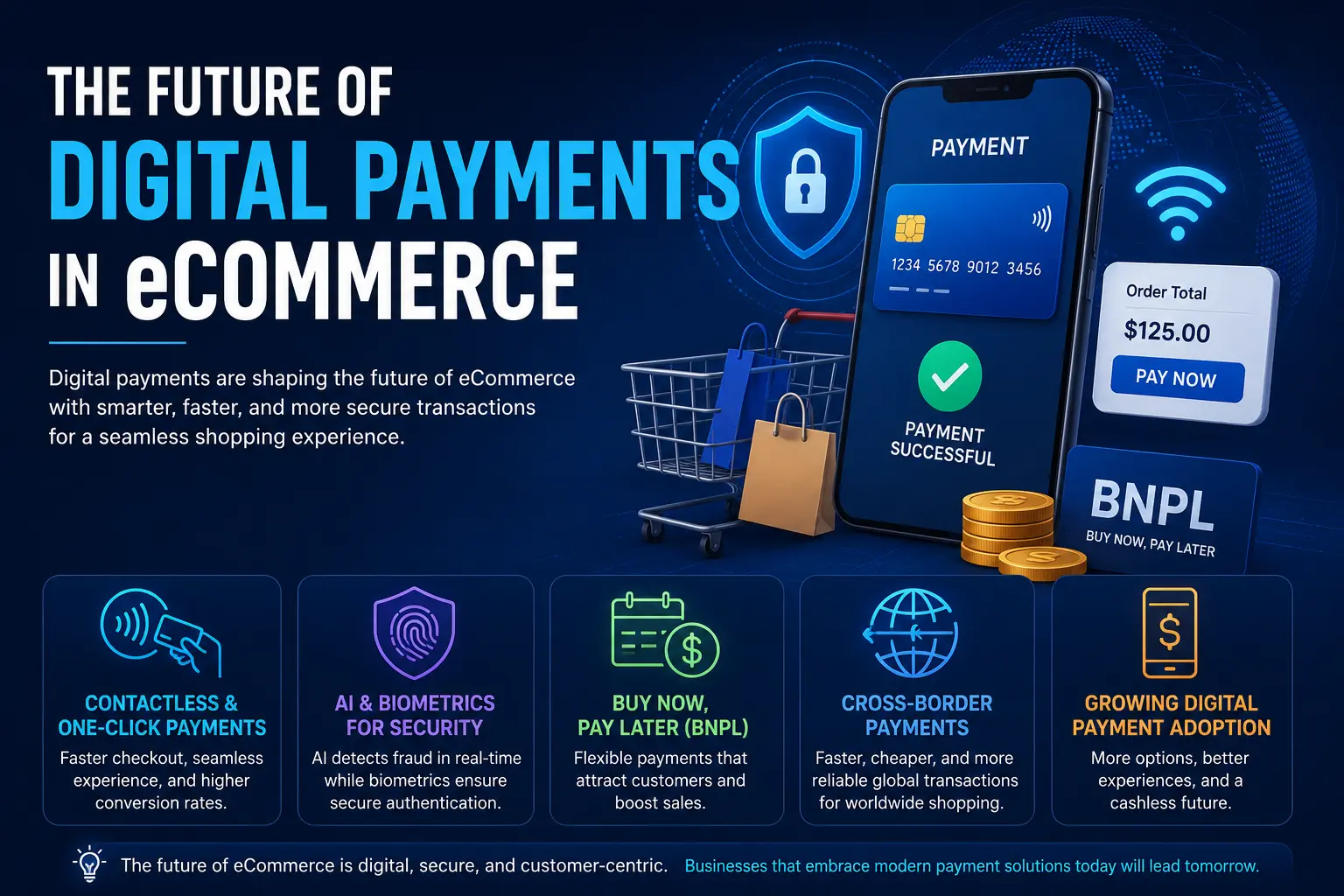
With the rise of eCommerce, an increase in digital payment systems is being witnessed, as online shoppers rely heavily on their digital payment method of choice, companies must adapt to accommodate these preferences. The future of digital payments as well as the evolution of eCommerce will impact consumer shopping habits and ultimately provide better customer service through various methods. New developments in payment processing are allowing for improved transactional efficiency for retailers, as well as improving customer service levels and overall satisfaction. You can expect to see many more options being available to both consumers and retailers as eCommerce continues its advancement in the coming years.
The Growing Popularity of Digital Payments
Growing consumer pressure to compete, convenience, speed, and security makes digital payments in eCommerce increasingly popular. Traditional payment methods of cash and manual bank transfer fall increasingly by as shopping consumers turn to offering digital alternatives. The modern-day consumer has come to expect frictionless and quick, while also secure and reliable checkout experiences.
The more online payment methods businesses offer, the more they will attract and retain customers. Multiple payment methods minimize cart abandonment rates and promote customer satisfaction. Digital payments have become thus crucial for e-commerce strategies.
Also read:
Top eCommerce Trends Every Online Business Should Watch in 2026
Contact and One-Click Payment Methods
While consumers want quicker, effortless methods of making purchases, there has been a surge in the usage of contactless, as well as one-click payment options. Both provide a more simplified purchasing experience for the consumer while allowing retailers to reduce the number of customers that drop off at the time of checkout.
One-click payment systems store customer information in a secure manner, enabling customers to easily purchase repeat products, nearly instantaneously. By creating an improved user experience, one-click payment features significantly increase conversion rates and aid in maintaining customer loyalty, so become an important component for online retailers.
AI and Biometrics for Improved Security
In today’s online economy, security has become an integral part of the product development process. Cyber criminals are to blame for this change in mentality with their continual advancement of methods to steal consumer data or to create fraud.
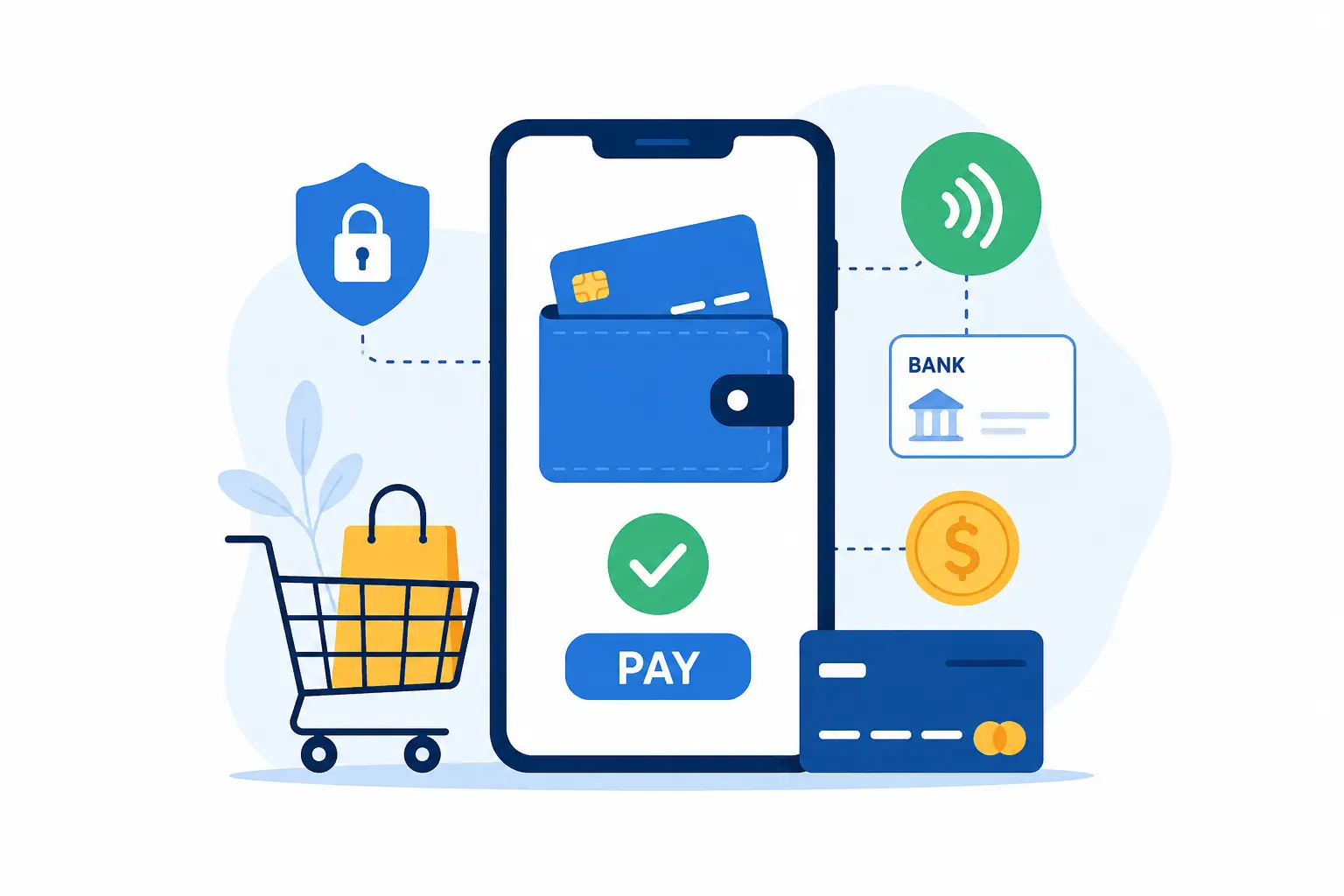
AI is being implemented as part of an overall strategy to provide protection against fraud, including monitoring transactions, identifying anomalies in transaction patterns and detecting potential fraud in real time. Biometric authentication methods like fingerprints, facial recognition and voice authentication are now available to improve security without impeding the user’s experience.
Impact of Buy Now, Pay Later Growth
Over the past few years there has been tremendous growth in the number of companies providing Buy Now, Pay Later (BNPL) services. Consumers are using them to break their purchases down into smaller payments thus making it easier for them to afford products. BNPL has gained appeal with younger consumers due to them valuing having financial flexibility. As more retailers are adding BNPL as a part of their checkout systems, this payment type will likely become a major payment type for future eCommerce.
Revolutions in Cross-Border Payment Systems
The growth of global eCommerce necessitates the global market’s continuous expansion of new payment environments. This is because as consumers are increasingly buying from foreign retailers, businesses now need to provide payment solutions for multiple currencies or locations.
As we move into the future, eCommerce payment systems will be able to provide faster currency exchange options, lower transaction costs and more efficient international payment processes.
Also read:
Top eCommerce Trends Every Online Business Should Watch in 2026
Conclusion
Ultimately, eCommerce will continue to develop and improve through the use of innovative technologies (e.g., new payment platforms and tools), as well as enhanced capabilities to both enhance customer satisfaction through an efficient transaction process and remain competitive in the dynamically changing era of eCommerce.