



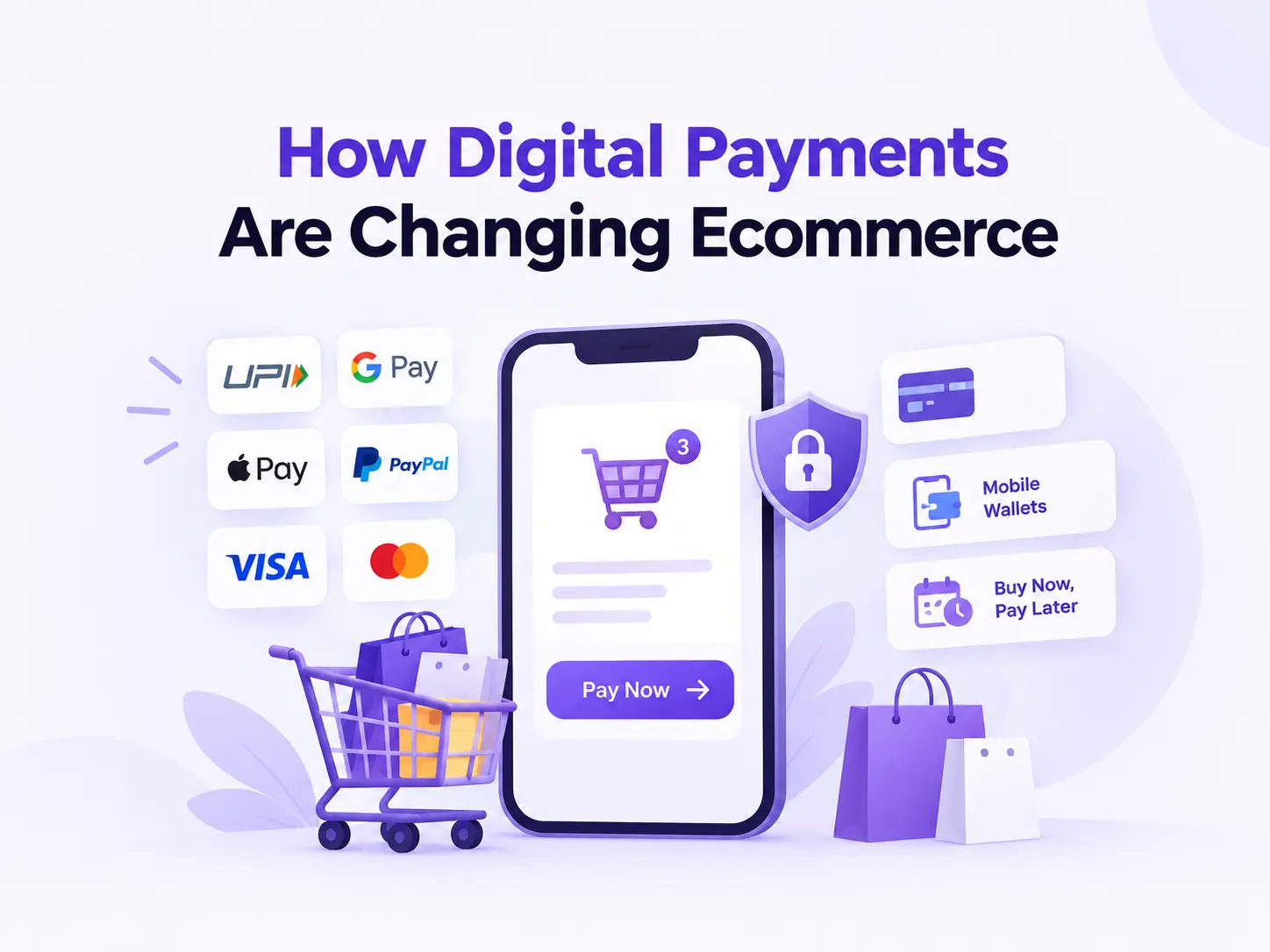
Digital payments have become an essential part of modern ecommerce. As more consumers shop online, they expect payment methods that are fast, secure, convenient, and easy to use. From mobile wallets and UPI to credit cards, buy now, pay later services, and digital banking, payment technology is changing the way customers purchase products online.
For ecommerce businesses, offering the right payment options is no longer just an added convenience. It can influence customer trust, conversion rates, and overall shopping experience.
The Rise of Digital Payments in Ecommerce
Traditional online payments mainly depended on credit and debit cards. Today, shoppers have many more options. Mobile wallets, instant bank transfers, QR-code payments, and other digital payment services allow customers to complete purchases within seconds.
The growth of smartphones has played an important role in this change. Consumers can now browse products, compare prices, and make payments from almost anywhere. This has made mobile-friendly checkout experiences especially important for ecommerce businesses.
In markets where instant payment systems are popular, customers may even prefer digital payments over cash on delivery.
Faster Checkout Experiences
One of the biggest advantages of digital payments is speed. A complicated checkout process can cause customers to abandon their shopping carts before completing a purchase.
Digital payment options can simplify this process by allowing shoppers to save payment details, scan QR codes, use mobile wallets, or complete transactions through their banking apps.
A faster checkout means fewer steps between choosing a product and completing the order. For ecommerce businesses, this can potentially improve conversions and create a smoother customer experience.
More Payment Choices for Customers
Every shopper has different preferences. Some customers prefer credit cards, while others may choose mobile wallets, bank transfers, or buy now, pay later services.
Providing multiple payment options gives customers greater flexibility. It can also help ecommerce stores reach different audiences and markets.
For example, younger shoppers may be comfortable using mobile wallets, while business customers may prefer cards or direct bank payments. Ecommerce companies that understand these preferences can design checkout experiences around their customers’ needs.
Improving Customer Trust and Security
Security is another major factor driving the adoption of digital payments. Consumers want to know that their financial information is protected when they shop online.
Modern payment systems use technologies such as encryption, authentication, tokenization, and fraud monitoring to help protect transactions. Features such as one-time passwords and biometric authentication can add additional layers of security.
However, ecommerce businesses must still choose reliable payment providers and follow appropriate security practices. A secure payment experience can increase customer confidence, while payment failures or suspicious activity can damage trust.
Digital Payments and Global Ecommerce
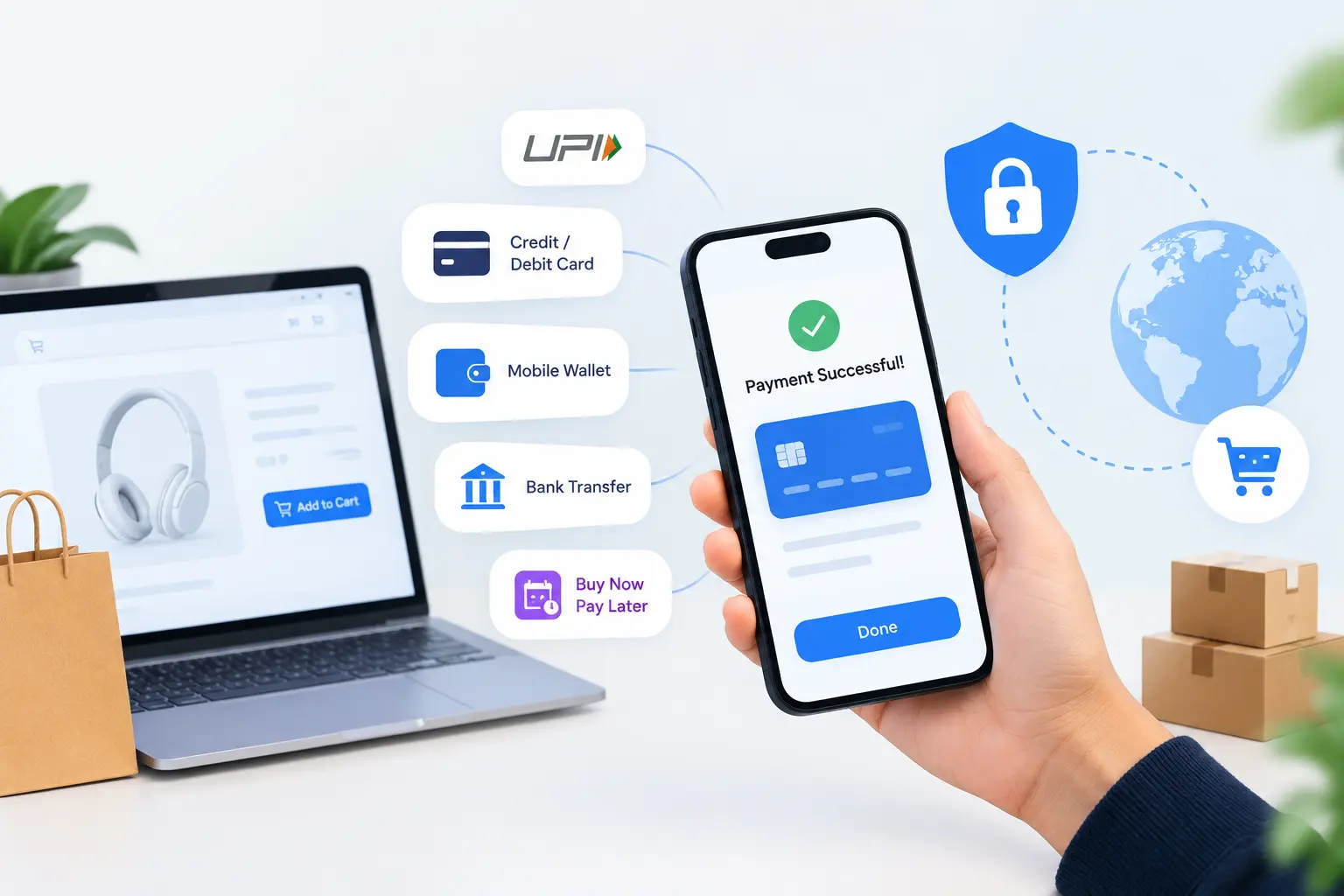
Digital payments are also making it easier for businesses to sell to customers in different locations. International ecommerce can involve different currencies, banking systems, and payment preferences.
Payment platforms can help businesses accept various payment methods and currencies, making cross-border shopping more accessible.
This creates opportunities for smaller online businesses to reach customers outside their local markets without needing a traditional physical presence.
The Growth of Buy Now, Pay Later
Buy now, pay later (BNPL) services have also changed ecommerce checkout experiences. These services allow eligible customers to split the cost of certain purchases into multiple payments.
For consumers, this can provide greater flexibility when purchasing higher-priced products. For merchants, offering installment options may encourage customers to consider purchases they might otherwise postpone.
However, consumers should understand the repayment terms, fees, and potential consequences before using these services.
What the Future Looks Like
Digital payments are likely to become even more integrated with ecommerce. Artificial intelligence, biometric authentication, digital wallets, and faster payment infrastructure could make online transactions increasingly seamless.
The future of ecommerce may involve payments that require fewer manual steps while still maintaining strong security. Personalized payment options could also become more common as businesses use customer data and shopping behavior to improve checkout experiences.
Final Thoughts
Digital payments are transforming ecommerce by making online shopping faster, more flexible, and more accessible. From mobile wallets and instant transfers to installment payments and advanced security technologies, payment innovation is changing what customers expect from online stores.
For ecommerce businesses, the message is clear: a convenient and trustworthy checkout experience can be just as important as the product itself. As digital payment technology continues to evolve, businesses that adapt to changing customer preferences will be better positioned to compete in the growing ecommerce market.